
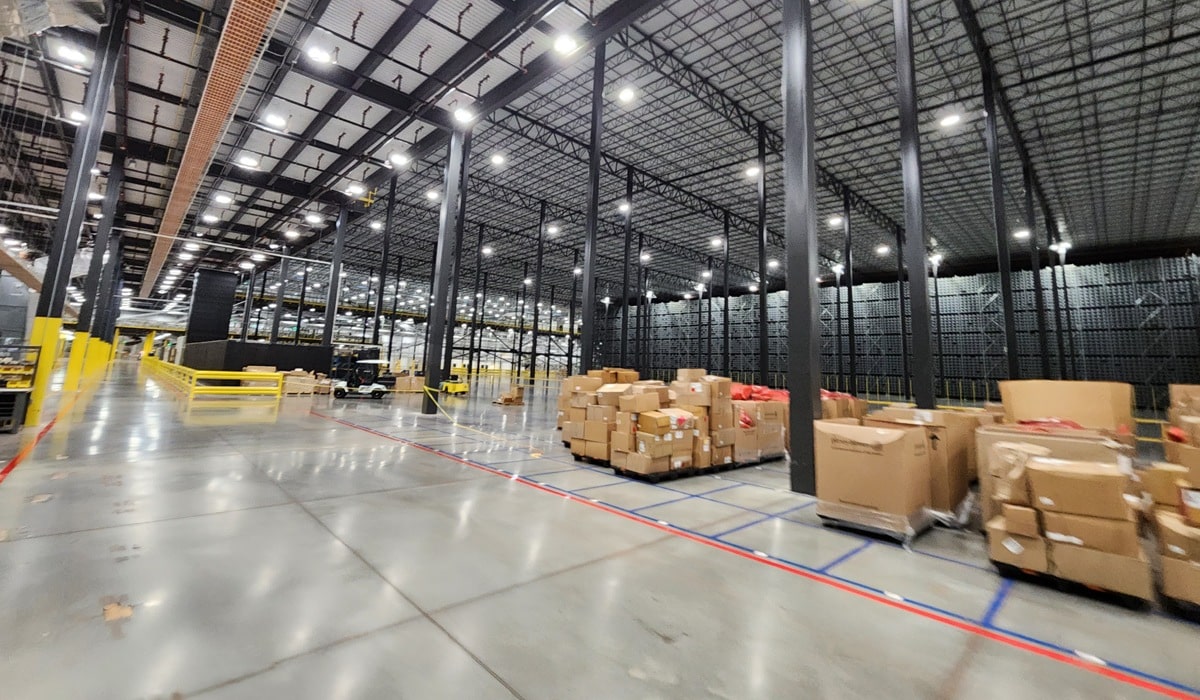
Over my years running Select Coatings, I’ve seen businesses spend tens of thousands on commercial coating projects only to watch them fail prematurely. The most painful—and costly—mistakes are almost always preventable. Whether it’s a warehouse floor, structural steel, or a concrete deck, errors like poor surface preparation, wrong product choice, skipped primer, or rushed application can lead to peeling, corrosion, blistering, and ultimately, expensive downtime.
In Lawrence, KS, we’ve worked on projects ranging from industrial warehouses to retail spaces. One common thread? Most commercial coating failures come from skipping steps or using products that weren’t designed for the job. This guide walks you through the 9 most common commercial coating errors, why they happen, and how to avoid them—saving you money, headaches, and safety risks.
Key Takeaways
-
Most commercial coating failures stem from preventable mistakes.
-
Surface preparation is the #1 factor affecting adhesion and lifespan.
-
Using the wrong coating system can lead to peeling, corrosion, blistering, or fading.
-
Environmental conditions like temperature, humidity, and substrate moisture directly affect coating performance.
-
Primer choice, application method, and thickness control determine durability.
-
Substrate repair prevents hidden moisture and structural deterioration.
Why Avoiding These Errors Matters for Every Business
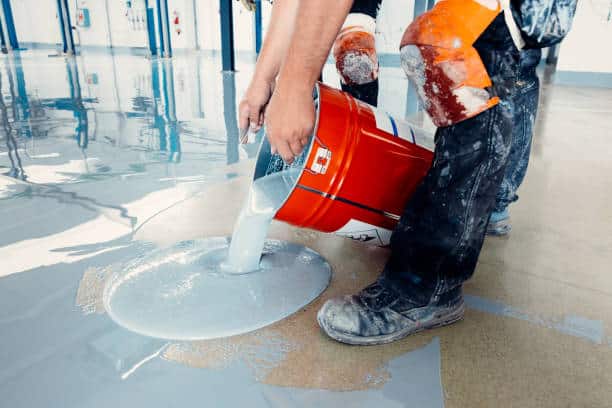
Cost Savings Over the Lifecycle of Your Building
I can’t stress this enough: spending a little more up front to do things correctly saves massive costs down the line. Reworking a poorly applied coating often costs 2–3 times more than the original installation. Proper application reduces downtime, keeps your facility operational, and prevents repeated service calls.
Safety & Compliance
A failed commercial coating can pose serious risks. Worn floor coatings create slip hazards. Rust on structural steel compromises integrity. Certain fire-resistant coatings are required by law to maintain safety standards. Ignoring these requirements is not only expensive—it’s dangerous.
Brand Image & Curb Appeal
Customers notice the small details. Faded or peeling coatings on the exterior or interior of your facility create a perception of neglect. High-quality commercial coating shows professionalism and protects your brand image.
Common concerns from clients:
-
“Why do coatings fail so quickly on my building?”
-
“What’s the difference between cheap coatings and commercial-grade systems?”
-
“How can I ensure my facility gets a long-lasting finish?”
The 9 Painful Commercial Coating Errors to Avoid
Coating Error #1: Inadequate Surface Preparation
Surface preparation is the stage where most commercial coating failures begin, and it’s often the most overlooked. Coatings only stick to clean, properly prepared surfaces. Dust, grease, rust, chalking, and residual moisture create barriers that prevent adhesion, which is why a simple wipe-down rarely suffices.
I’ve seen facilities spend thousands on a new coating system, only to have it peel and flake within months because the concrete or metal substrate wasn’t treated properly. In professional applications, we rely on abrasive blasting, chemical degreasing, and moisture testing for concrete to ensure the substrate is fully ready.
Surface profiling following SSPC or NACE standards gives the coating something to grip, dramatically improving durability. Skipping these steps isn’t just a minor mistake—it cuts coating lifespan by half or more.
Coating Error #2: Choosing the Wrong Coating System
One of the most common mistakes I see is businesses selecting coatings that aren’t suited for their environment. Factors like high humidity, chemical exposure, UV levels, and traffic intensity all affect performance, yet many decision-makers assume one coating can do it all. For example, using a urethane where an epoxy system is required often leads to rapid fading, cracking, and corrosion beneath the film.
Choosing the right coating requires careful site analysis and adherence to manufacturer technical data sheets. Every substrate, environmental condition, and intended use must guide the selection process. This is why different contractors might recommend different systems—what works on one site may fail miserably on another. It’s not inconsistency; it’s specificity.
Coating Error #3: Ignoring Environmental Conditions During Application
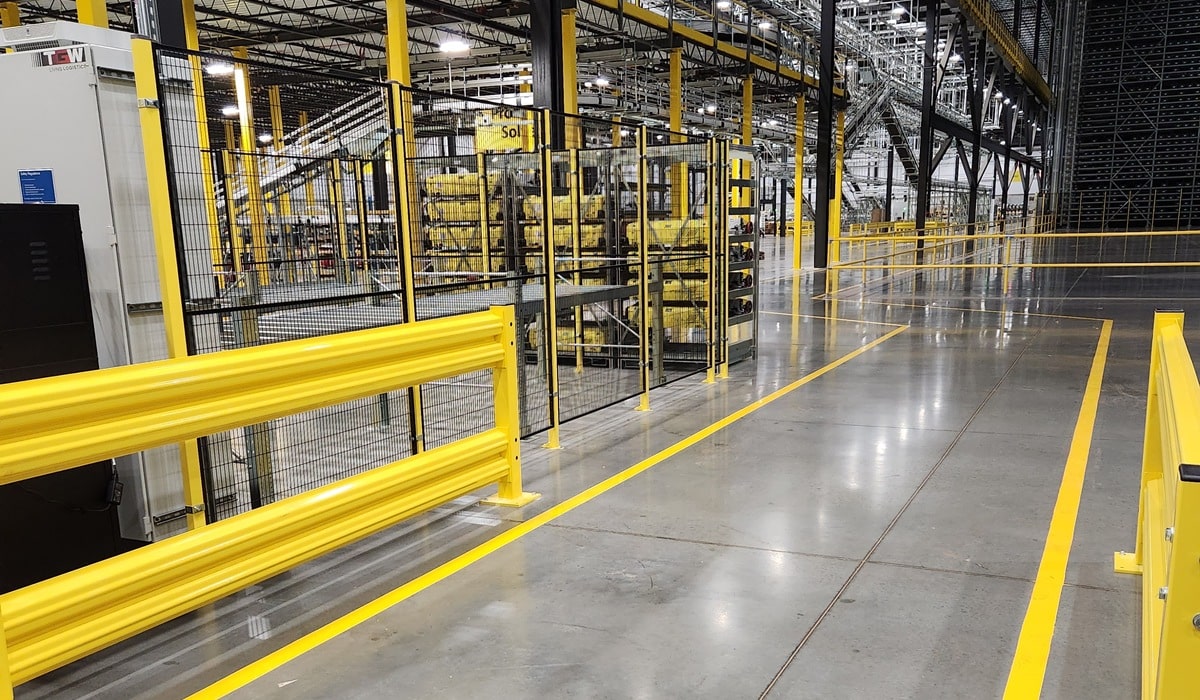
Environmental factors during coating application are critical. Temperature, humidity, dew point, and substrate moisture all influence how a coating cures. Applying paint when conditions are off can result in blistering, soft films, poor curing, or adhesion loss, and these issues are often invisible until weeks later.
At Select Coatings, we monitor environmental conditions closely, adjust cure agents if needed, and schedule projects to coincide with optimal windows. Applying coatings in the wrong conditions is like baking a cake at the wrong temperature—you might get something that looks fine at first but fails under stress. Even if it’s not raining, improper temperature or moisture levels can destroy months of work.
Coating Error #4: Incorrect Coating Thickness
Dry film thickness (DFT) is not an optional detail—it’s fundamental to performance. A film that’s too thin compromises abrasion resistance, chemical protection, and adhesion, while a film that’s too thick can crack, wrinkle, or trap solvents, creating hidden weaknesses. Many clients assume that applying extra material automatically makes the coating stronger, but this is a misconception. We measure DFT with precision instruments, apply multi-coat systems as needed, and strictly follow manufacturer specifications. Thickness control ensures the coating delivers the protection it was engineered to provide. Without it, even the best industrial-grade paint can fail prematurely.
Coating Error #5: Skipping or Using the Wrong Primer
Primer is the unsung hero of any coating system. It bonds to the substrate, seals porous surfaces, and provides corrosion resistance for metal surfaces. Skipping primer or using an incompatible type almost guarantees early failure.
I’ve inspected floors and structural steel coated with top-of-the-line epoxy, only to find it peeling because the wrong primer was applied—or none at all.
Professionals rely on epoxy primers for industrial substrates, self-etching primers for metals, and moisture-tolerant primers for concrete. Even the highest-quality topcoat can’t perform properly without the right primer underneath. Primer sets the foundation, and without it, the rest of the system is vulnerable.
Coating Error #6: Coating Over Damaged Substrates
A common misconception is that a coating can “hide” or fix underlying damage. It cannot. Cracks in concrete, corrosion on metal, mold, water damage, or spalling must be repaired before coating. Moisture trapped under a film leads to bubbling, delamination, and even accelerated structural deterioration.
We always address substrate integrity first, performing patch repairs, rust removal, moisture mitigation, and stabilization before applying any topcoat. Attempting to cover up damage is like putting a fresh coat of paint over rot—it might look good temporarily, but the underlying problem will return with a vengeance.
Coating Error #7: Low-Quality Coating Products

Using residential-grade paint in a commercial or industrial setting is a recipe for disaster. Solids content, UV resistance, chemical load, and hardness ratings are dramatically different between consumer products and professional systems.
I’ve seen facilities coated with low-cost paints that faded, peeled, or failed under chemical exposure within a single year. Industrial-grade products, applied according to manufacturer recommendations, are designed to withstand these conditions. Cutting corners here almost always results in greater long-term expense. Investing in the right system upfront pays off in longevity and reduced maintenance.
Coating Error #8: Poor Application Technique
Even the best coating products will fail if applied improperly. Techniques such as spray distance, overlap, cross-hatching, and roll patterns directly affect finish quality and adhesion. I’ve witnessed uneven textures, drips, orange peel, and lap marks from inexperienced crews. Professional applicators use industrial-grade spray rigs, maintain consistent movement, and control environmental variables to ensure a flawless finish.
The difference in appearance and durability between a trained applicator and a beginner is dramatic. Precision, skill, and attention to detail matter as much as the product itself.
Coating Error #9: Skipping Maintenance After Coating Installation
A coating is not a “set it and forget it” solution. Even industrial-grade systems wear over time under traffic, chemical exposure, and environmental conditions. Skipping regular inspections and cleaning allows small imperfections to become significant failures.
At Select Coatings, we recommend annual inspections, periodic cleaning, spot repairs, and planned recoat cycles. Routine maintenance preserves adhesion, prevents corrosion or concrete degradation, and extends the life of the coating. Facilities that neglect maintenance often face premature failures that could have been prevented with a few proactive steps.
How Professionals Prevent These Errors
At Select Coatings, we begin every commercial coating project with a proper site assessment. Moisture testing, adhesion pull tests, and contamination checks ensure substrates are ready. We follow strict manufacturer specs, track cure times and recoat windows, and deploy certified NACE/AMPP-trained applicators. Every step is documented with photos and daily reporting. The result? A long-lasting, high-performance commercial coating that meets your building’s needs.
Business Benefits of Avoiding These Painful Mistakes
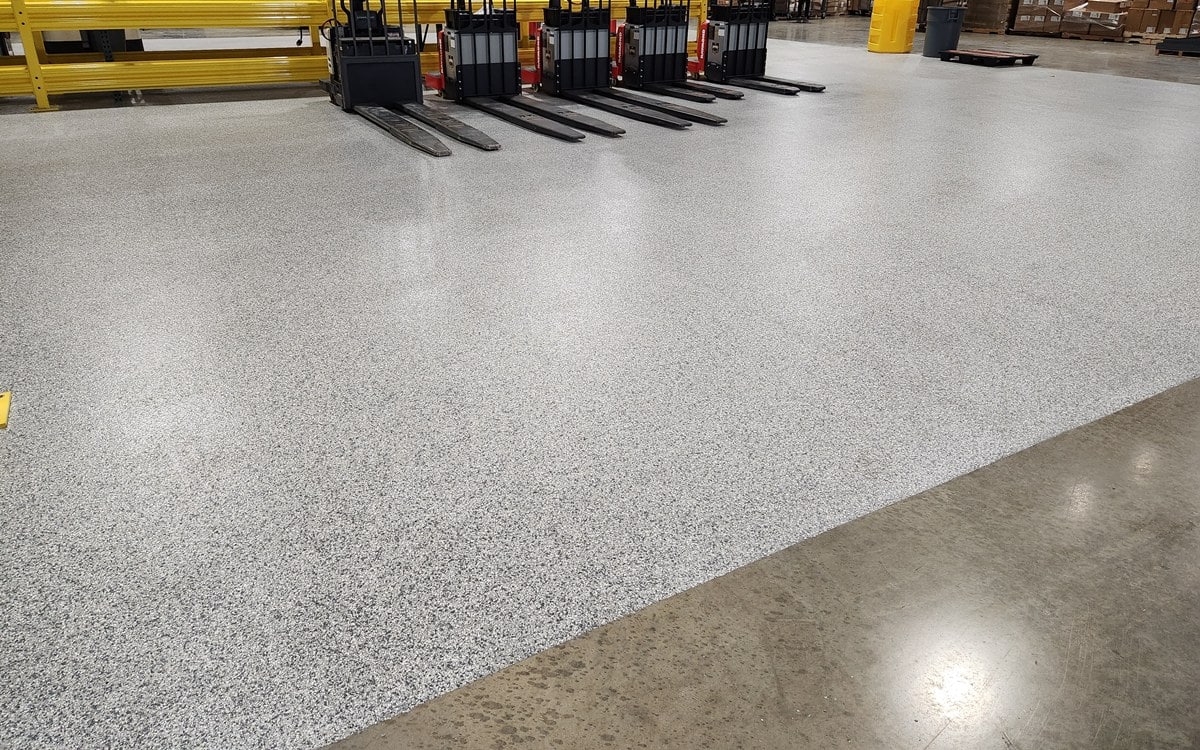
-
Reduced long-term maintenance costs: Less frequent recoating and minimized downtime.
-
Longer coating lifespan: Systems lasting 12–20 years instead of 5–7.
-
Improved structural protection: Corrosion prevention and concrete integrity preservation.
-
Higher property value & aesthetics: Better curb appeal and tenant satisfaction. Professional patio coatings also contribute to safe, attractive outdoor areas.
The Smart Way to Protect Your Building Assets
Avoiding these painful commercial coating errors starts with understanding what causes coating failure. Partnering with an experienced commercial coating contractor ensures proper prep, product selection, application control, and ongoing maintenance. This is the key to protecting your facility, saving money, and keeping your building in top condition for years to come. For professional commercial coating services in Lawrence, KS, trust Select Coatings to deliver long-lasting results that safeguard your investment and enhance your facility’s appearance.
For safety and compliance guidance, always follow VOC standards for coatings.
