

After decades in the coating industry, I can say this without hesitation. Early coating failure is rarely about the product. It is almost always about poor surface preparation.
At Select Coatings, we work on demanding environments every day through commercial coatings projects across Olathe, KS. When coatings crack, peel, blister, or corrode far earlier than expected, the common denominator is preparation that was rushed, skipped, or misunderstood.
Coatings are engineered systems. They are designed to bond, flex, and protect under specific conditions. When surfaces are not properly cleaned, dried, repaired, stabilized, and primed, the coating never gets the chance to perform as designed. The failure may take months or years to appear, but the cause is set before the first coat is applied.
Key Takeaways
-
Poor surface preparation is the leading cause of early coating failure
-
Coatings fail when they cannot properly bond to the substrate
-
Moisture, contamination, and surface instability accelerate breakdown
-
High-performance coatings cannot compensate for inadequate prep
-
Proper surface preparation protects lifespan, budgets, and asset value
What Does Poor Surface Preparation Mean in Coating Systems?
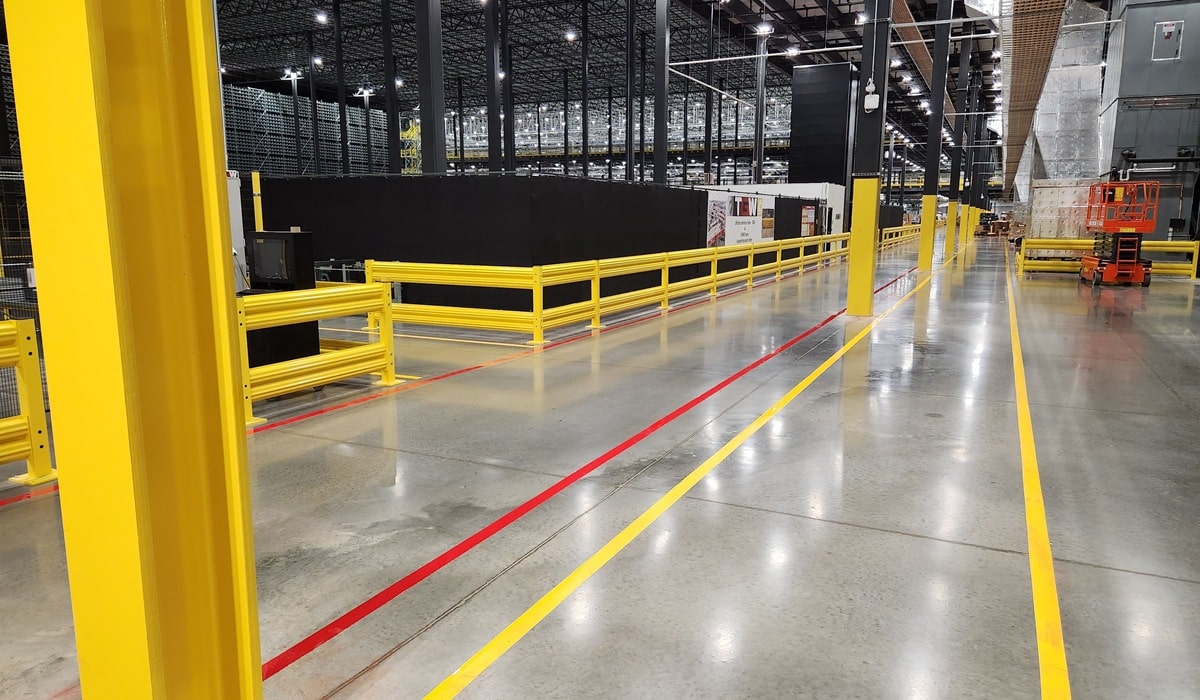
The Technical Definition of Surface Preparation
Surface preparation is a controlled, multi-step process. It includes cleaning, decontamination, surface profiling, structural repair, moisture control, drying, and priming. When any of these steps are skipped or poorly executed, the result is poor surface preparation.
In commercial coatings, preparation is not cosmetic. It is structural. It determines how well the coating bonds, how evenly stress is distributed, and how long the system will last.
How Surface Preparation Impacts Coating Performance
Coatings rely on mechanical adhesion, chemical bonding, and uniform film formation. Contaminants block adhesion. Moisture creates internal pressure. Unstable substrates shift beneath the coating. Each of these issues traces directly back to poor surface preparation.
Why Preparation Is the Foundation of Any Coating System
A coating can only perform as well as the surface beneath it. No manufacturer designs a product to overcome grease, moisture, dust, or failing substrates. Preparation is the foundation that everything else depends on.
Why Poor Surface Preparation Causes Early Coating Failure
Adhesion Failure at the Substrate Level
When surfaces are contaminated or improperly profiled, coatings cannot anchor. Mechanical and chemical bonds fail. The coating may look fine initially, but it is already compromised.
Stress Buildup Within the Coating Film
As coatings cure, they shrink slightly. Temperature changes cause expansion and contraction. When the substrate is unstable due to poor surface preparation, stress builds inside the film until it cracks or separates.
Why Failure Appears as Cracking, Peeling, or Blistering
Different prep failures produce different symptoms. Cracking signals stress and movement. Peeling indicates adhesion loss. Blistering points to trapped moisture. All are outcomes of poor surface preparation.
Most Common Poor Surface Preparation Errors Leading to Failure
Coating Over Dirt, Dust, Oils, and Residues
Even microscopic contamination acts as a bond breaker. In commercial coatings environments, oils, chemicals, and airborne dust accumulate quickly. Coating over them guarantees early failure.
Ignoring Existing Damage and Surface Defects
Cracks, spalls, and deteriorated areas must be repaired and stabilized. Coatings do not hide defects. They mirror them. Poor surface preparation allows underlying damage to telegraph through the coating.
Coating Over Loose, Chalking, or Degraded Layers
Applying new coatings over failing layers compounds the problem. The new system is only as strong as what it is bonded to.
Moisture-Related Poor Surface Preparation Failures
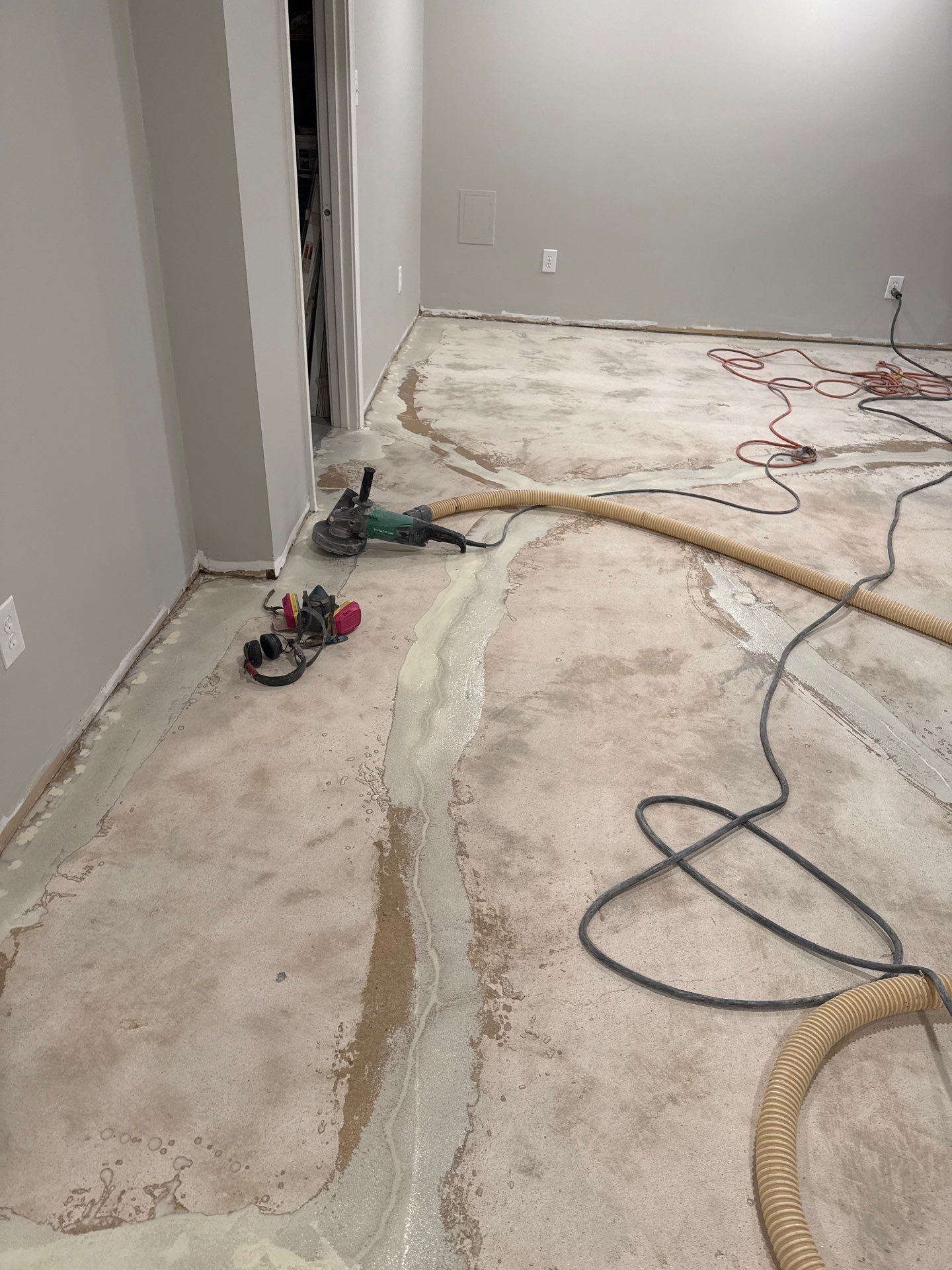
Coating Over Damp or Water-Affected Surfaces
Moisture trapped beneath coatings creates vapor pressure as temperatures rise. That pressure pushes outward, cracking or blistering the coating.
Failure to Identify Moisture Sources
Leaks, condensation, groundwater intrusion, and process moisture are common in commercial coatings projects. When moisture sources are not identified, poor surface preparation becomes inevitable.
Why Moisture-Driven Failures Happen Faster Than Expected
Trapped moisture does not dissipate evenly. It concentrates at weak points, accelerating failure timelines dramatically.
Substrate-Specific Poor Surface Preparation Mistakes
Concrete and Masonry Surface Preparation Errors
Concrete surfaces contain laitance, alkalinity, and variable porosity. Without proper profiling and testing, coatings lose adhesion and crack prematurely.
Metal Surface Preparation Failures
Mill scale, corrosion, and smooth steel surfaces require mechanical preparation. Skipping this step leads to delamination and rust creep beneath the coating.
Drywall, Wood, and Composite Surface Errors
Movement, moisture imbalance, and improper repairs create instability. Without proper preparation, coatings cannot flex with the substrate.
Primer and System Compatibility Issues
Skipping or Reducing Primer Applications
Primer is not optional. It seals, stabilizes, and promotes adhesion. Skipping primer is a classic example of poor surface preparation.
Using Incompatible Primers and Topcoats
Coating systems are designed to work together. Mixing incompatible products creates internal stress and early failure.
Improper Recoat Windows and Cure Times
Applying coatings too early or too late disrupts bonding and increases brittleness.
Environmental and Operational Factors That Amplify Prep Errors
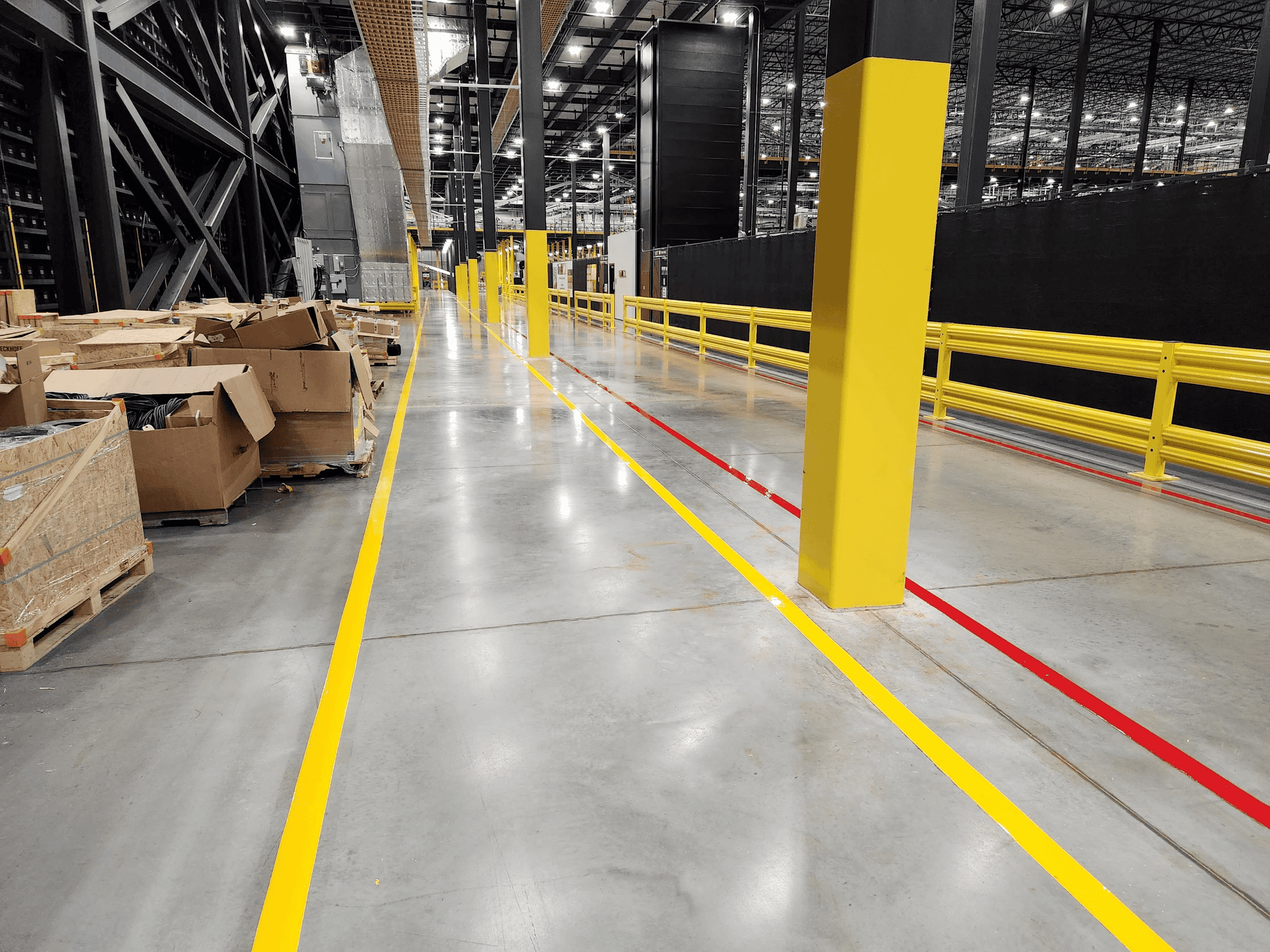
Temperature and Humidity Extremes
Improper conditions disrupt curing and adhesion, magnifying the effects of poor surface preparation.
Structural Movement and Vibration
Facilities in Olathe, KS experience seasonal movement and operational vibration. Without proper prep, cracks form quickly.
Chemical Exposure and Abrasion
Industrial cleaners, traffic, and abrasion rapidly expose weakly bonded coatings.
Why Premium Coatings Still Fail Without Proper Preparation
Performance Limits of High-Build and Elastomeric Coatings
Flexible coatings still require adhesion. They cannot overcome poor surface preparation.
Manufacturer Specifications and Warranty Requirements
Most warranties require compliance with Surface Preparation Standards. Ignoring prep requirements voids coverage entirely.
Long-Term Consequences of Poor Surface Preparation
Shortened Coating Lifespan and Repeat Failures
Repainting cycles shorten dramatically when prep is inadequate.
Hidden Damage to Substrates and Structures
Moisture intrusion and corrosion continue unseen beneath failed coatings.
Increased Repair, Downtime, and Replacement Costs
Facilities pay far more correcting failures than they would have spent on proper prep.
How Professional Contractors Prevent Early Coating Failure
Surface Inspection and Diagnostic Testing
At Select Coatings, we use moisture meters, adhesion testing, and surface profiling before coating begins.
Proper Repair, Cleaning, and Stabilization
Surfaces are repaired, cleaned, dried, and stabilized before any coating is applied.
System-Based Coating Selection and Application
We design systems that work together, including high-wear areas such as decorative floor coatings where preparation is critical.
Warning Signs That Failure Is Prep-Related
Failures Occurring Within the First Year
Early failure timelines almost always indicate poor surface preparation.
Cracks and Peeling Following Seams and Joints
Stress concentrates where preparation was weakest.
Clean Separation Between Coating and Substrate
Clean breaks confirm adhesion failure rather than normal wear.
How to Correct Coating Failure Caused by Poor Surface Preparation
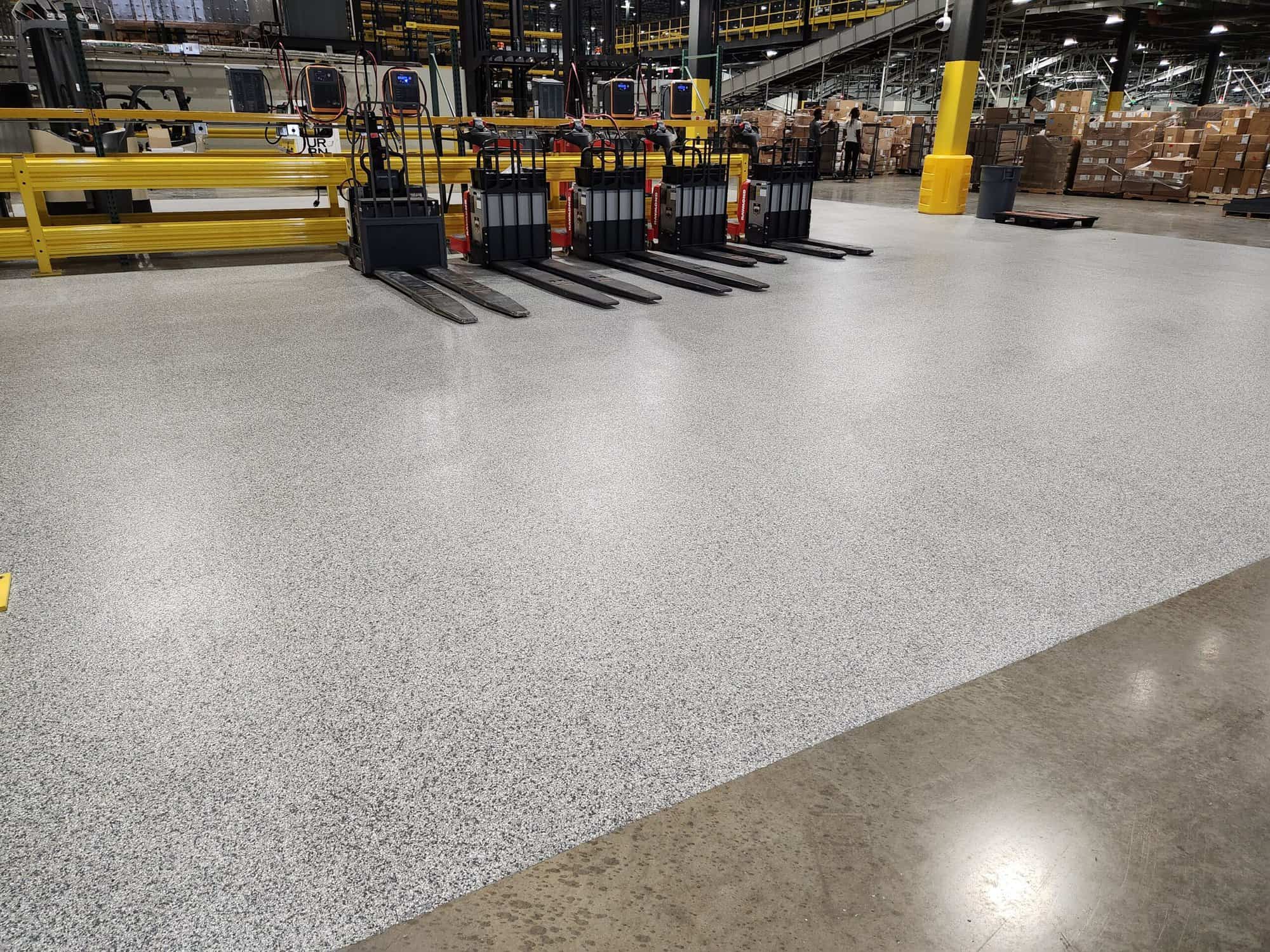
Why Spot Repairs Often Fail
Localized fixes do not address systemic prep issues.
Proper Removal and Re-Preparation Steps
Failed coatings must be removed, substrates stabilized, and surfaces re-prepared correctly.
When Full System Replacement Is Required
Severe failure often requires rebuilding the entire coating system.
How Property Owners and Facility Managers Can Avoid Prep Failures
What to Require in Coating Specifications
Require documented prep steps and compliance with Surface Preparation Standards.
Questions to Ask Contractors About Preparation
Ask how surfaces are tested, repaired, and verified before coating.
Why Cutting Prep Costs Always Increases Long-Term Risk
Preparation is an investment, not an expense.
Early Coating Failure Is a Preparation Problem
Early coating failure is not random. It is the predictable outcome of poor surface preparation. In commercial coatings projects throughout Olathe, KS, long-lasting performance depends on disciplined preparation, not shortcuts.
At Select Coatings, we have learned that the most important coating decision is made before the first gallon is opened. Preparation determines everything that follows.
