
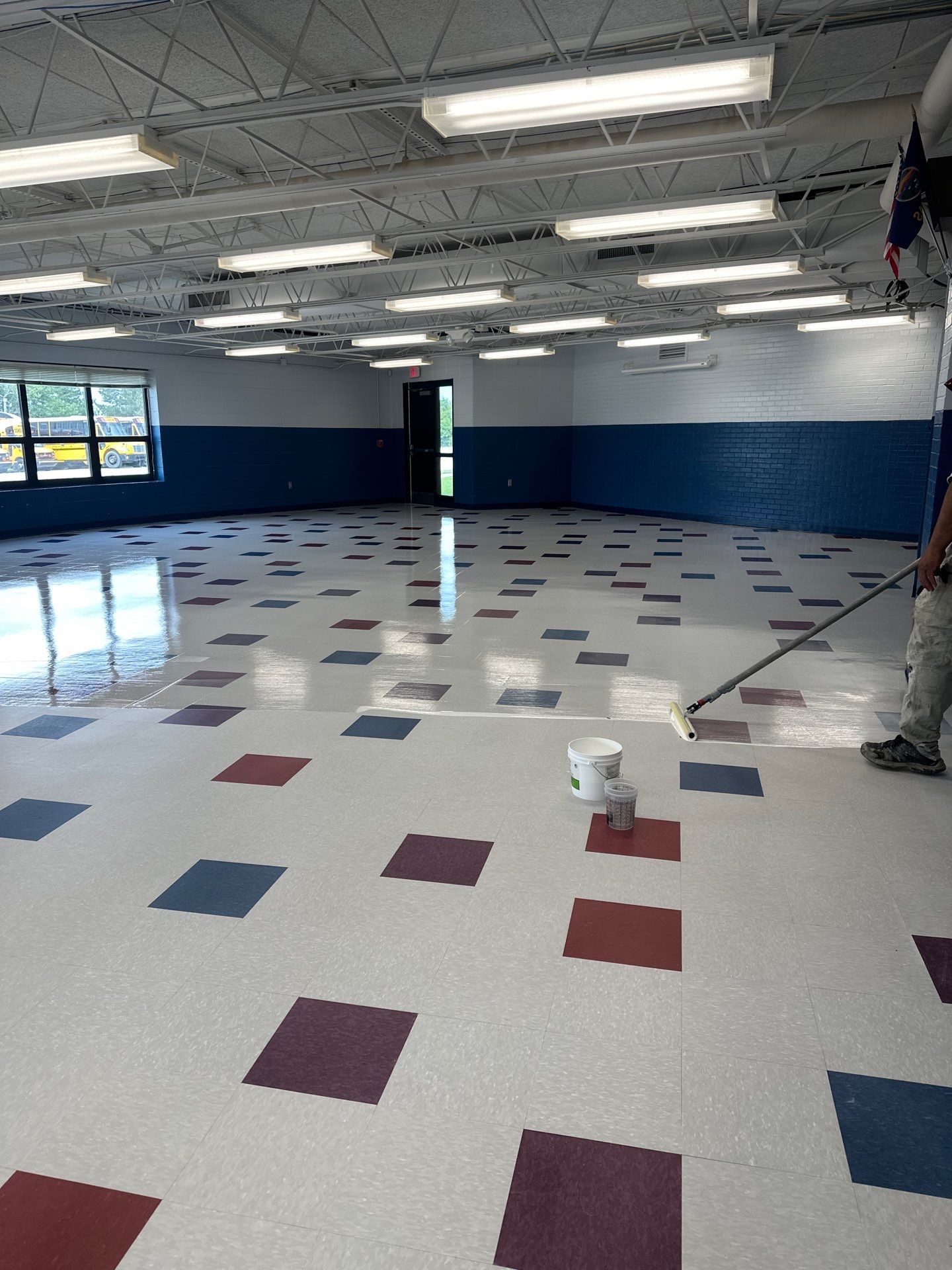
Floor failures are rarely caused by bad intentions. They happen because the wrong decisions were made early. I see it all the time. A business owner wants a durable, attractive floor, hears the phrase “decorative,” and assumes all products perform the same.
They do not.
Decorative floor coatings are a serious investment in durability, safety, and long-term cost control, especially in hotels, commercial spaces, and other high-traffic environments. When selected and installed correctly, they protect concrete, improve safety, and elevate the space. When chosen poorly, they peel, stain, become slippery, or fail long before their expected lifespan.
This guide breaks down five costly mistakes to avoid when selecting decorative floor coatings, based on real-world commercial experience. These are the issues that lead to callbacks, downtime, and avoidable repair costs.
Mistake #1 – Choosing the Wrong Coating Type for Your Environment
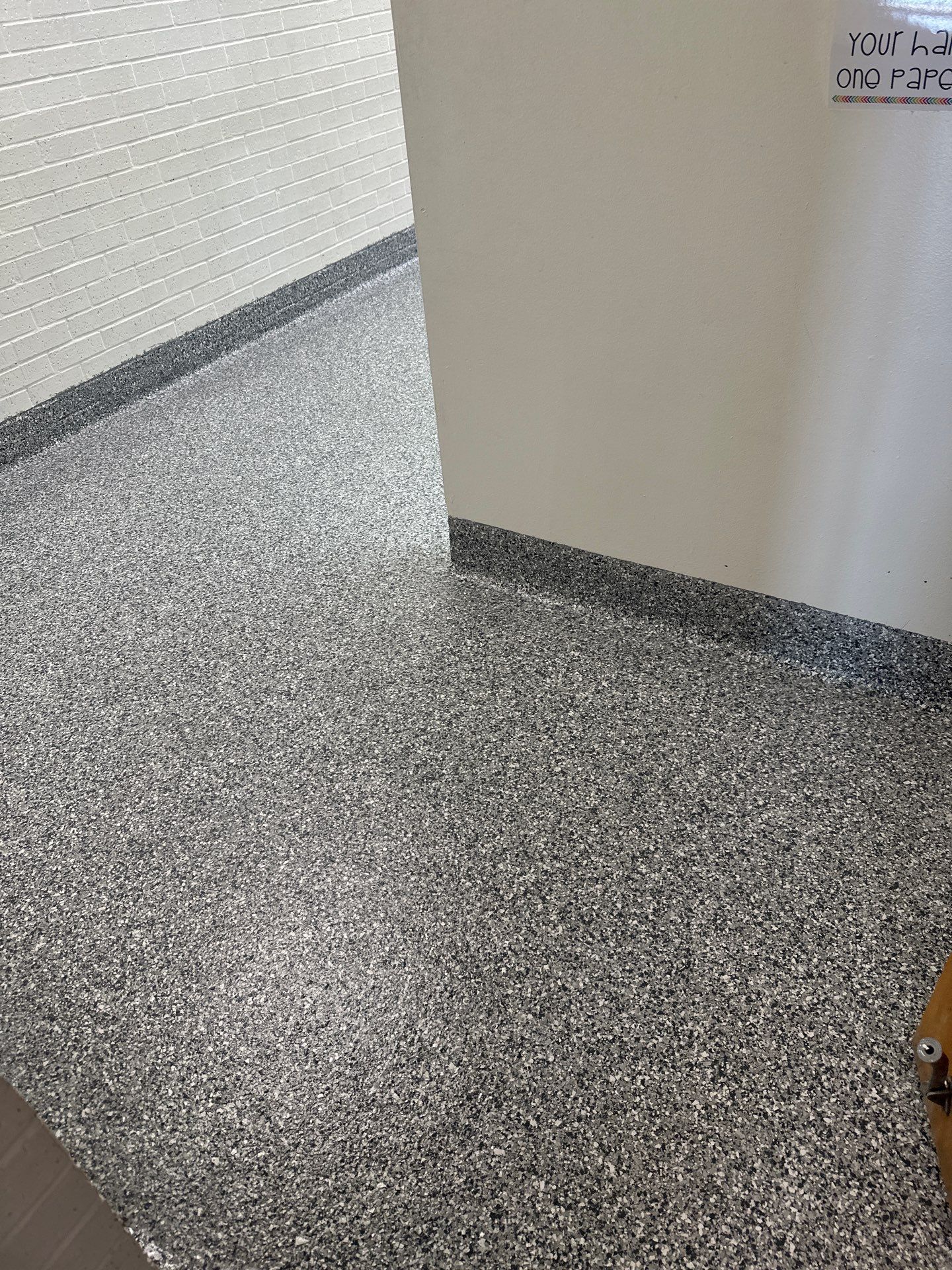
Matching Coating Properties to Traffic and Use
Not all floors live the same life. A hotel lobby sees rolling luggage and constant foot traffic. A service corridor sees carts, chemicals, and impact. Choosing decorative floor coatings without accounting for traffic patterns is one of the fastest ways to shorten their lifespan.
High-traffic zones need thicker, abrasion-resistant systems. Back-of-house areas need chemical resistance and slip control. One coating cannot do everything equally well.
Oil-Based vs Water-Based vs Epoxy
Oil-based floor coatings offer slower cure times and deeper penetration but require careful ventilation. Water-based systems cure faster and emit fewer odors but may lack durability in demanding environments. Epoxy floor coatings provide strength and longevity but must be paired with the right topcoat to avoid brittleness.
This is why many facilities pair commercial epoxy floors with decorative floor coatings to balance strength and appearance.
Professional Recommendations
In hotels and commercial spaces, product selection should be driven by use, not marketing claims. Choosing the wrong system often looks fine at first and fails months later.
Mistake #2 – Skipping Proper Surface Preparation
The Importance of Clean, Dry, and Smooth Substrates
Surface preparation is not optional. Dirt, oil, moisture, and old coatings prevent adhesion. Decorative floor coatings rely on mechanical and chemical bonding to the concrete. Without proper prep, that bond never forms.
Grinding, degreasing, moisture testing, and priming are the foundation of long-term performance.
Consequences of Poor Prep
Peeling edges. Bubbling. Uneven sheen. Premature failure. These issues almost always trace back to shortcuts during prep, not defective products.
Once adhesion is compromised, repairs become expensive and disruptive.
Expert Tips for Surface Prep
Different substrates require different primers. Moisture levels must be tested, not guessed. Temperature and humidity should be checked before application begins. These steps are why professional installation matters with decorative floor coatings.
Mistake #3 – Overlooking Safety and Slip-Resistance
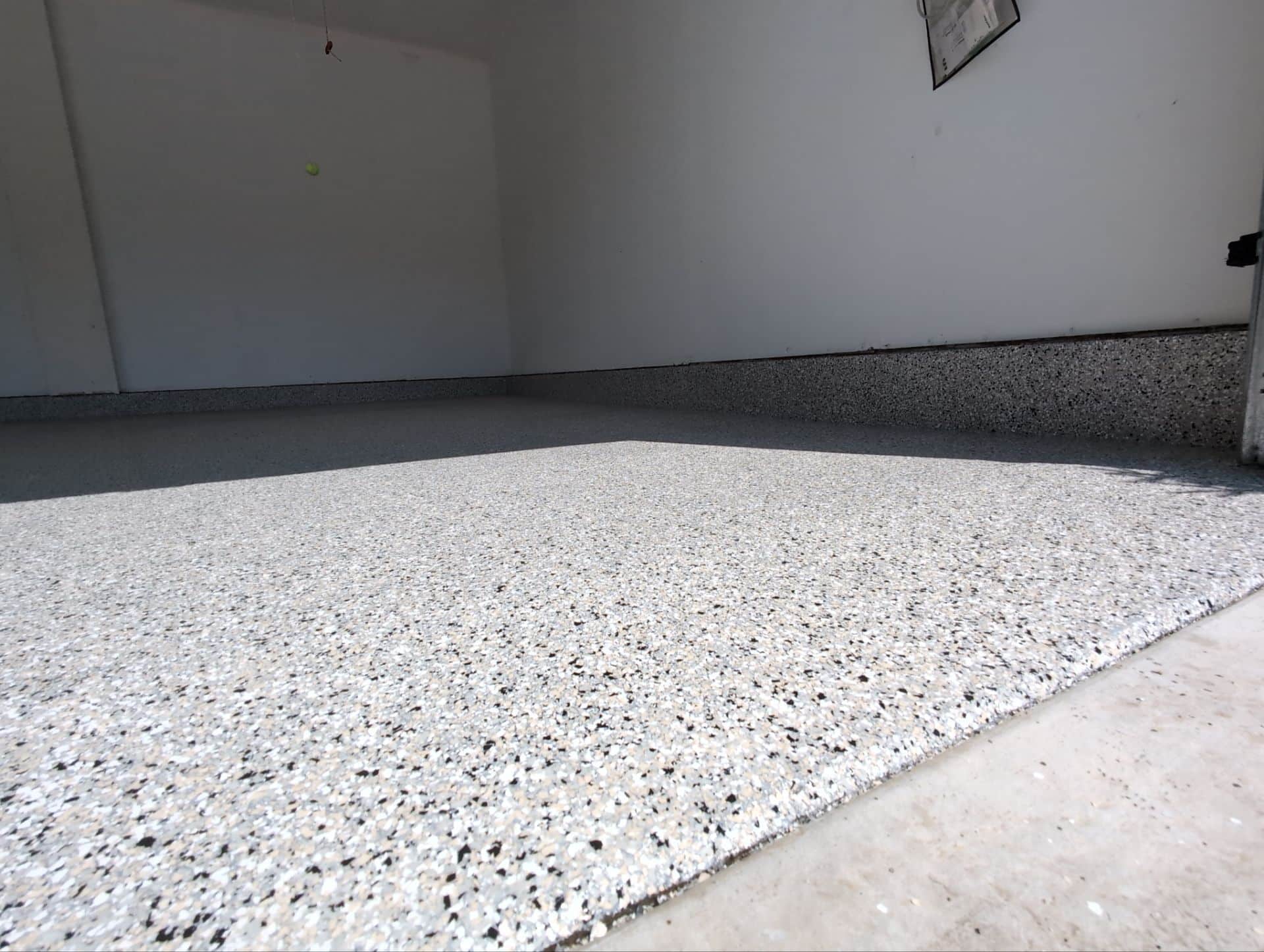
High-Traffic and Wet Areas
Lobbies, kitchens, restrooms, and entrances all introduce slip risk. Polished finishes without traction are a liability waiting to happen. Decorative floor coatings must be engineered with safety in mind, not just appearance.
The Risk of Guest and Staff Injuries
Slip-and-fall incidents impact insurance costs, legal exposure, and reputation. A floor that looks great but performs poorly under wet conditions is not a success.
How to Avoid Slip Hazards
Anti-slip additives and textured topcoats can be incorporated without sacrificing aesthetics. When properly designed, decorative floor coatings support ADA guidelines and local safety standards while maintaining a clean, professional look.
Mistake #4 – Ignoring Environmental and Seasonal Conditions
Temperature and Humidity Effects
Coatings are chemical systems. Temperature and humidity affect curing, adhesion, and final performance. Applying decorative floor coatings in poor conditions often leads to soft finishes, bubbling, or premature wear.
Cold slabs slow curing. High humidity traps moisture. Both lead to failure.
Indoor Air Quality and VOC Concerns
Occupied spaces require careful product selection and ventilation planning. Many modern systems meet EPA standards for paints, coatings, floorings and other solvents, but only when used correctly.
Planning for Optimal Application Conditions
Professional crews schedule work around environmental conditions or control the space to ensure proper cure. This planning is critical for decorative floor coatings in active facilities.
Mistake #5 – Failing to Plan for Long-Term Maintenance
Considering Lifespan and Wear Patterns
Every floor wears differently. Entryways and corridors break down faster than private areas. Decorative floor coatings should be specified based on real wear patterns, not square footage alone.
Maintenance-Friendly Coatings
Smooth, non-porous systems clean faster and resist staining. Poorly chosen finishes scuff easily and require frequent touch-ups, driving up labor costs.
Budgeting for Total Lifecycle Cost
The cheapest system upfront is rarely the most affordable long term. Decorative floor coatings should be evaluated based on lifespan, maintenance needs, and downtime.
Common Reader Questions About Decorative Floor Coatings
Can Decorative Coatings Be Applied Over Existing Floors?
Sometimes. Existing coatings must be compatible and properly prepared. Skipping evaluation often leads to adhesion failure.
How Long Until Floors Are Ready for Foot Traffic?
Cure times vary. Some systems allow light traffic within hours, while others require longer. Rushing reopening is a common cause of damage to decorative floor coatings.
Are There Cost-Effective Alternatives That Still Perform Well?
Yes, when systems are matched correctly to use. Oil-based, water-based, and epoxy systems all have a place when selected properly.
Decorative Floor Coatings in Kansas City, KS
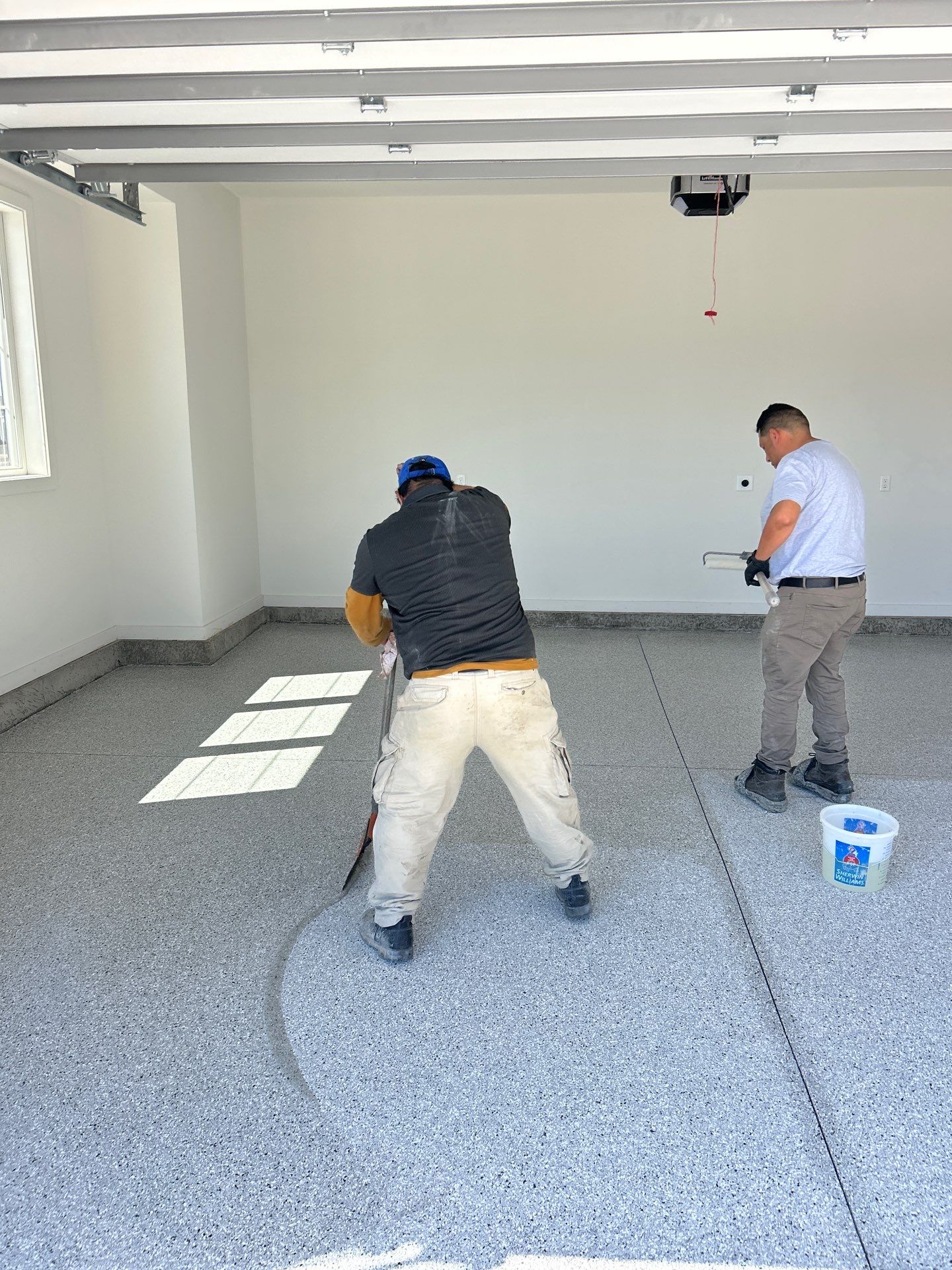
Commercial properties in Kansas City, KS experience wide temperature swings, humidity changes, and heavy year-round traffic. Floors must perform under real Midwestern conditions, not ideal lab environments.
This is where properly specified decorative floor coatings paired with commercial epoxy floors deliver consistent, long-term results.
Design choices also matter. Understanding current color trends helps ensure floors stay visually relevant while maintaining performance.
Avoiding Costly Mistakes Saves Time and Money
The five mistakes outlined here account for most premature floor failures I see in commercial spaces. Wrong product. Poor prep. Ignored safety. Bad timing. No maintenance plan.
Avoiding these errors allows decorative floor coatings to deliver what they are designed to provide: durability, safety, and long-term value.
Every facility is different. Traffic levels, cleaning routines, safety concerns, and budgets all matter.
A professional assessment ensures decorative floor coatings are selected and installed for real-world performance, not guesswork.
At Select Coatings, we help clients avoid costly mistakes and install floors that hold up where it counts.
