

If you’re a builder, architect, or developer in Lee’s Summit, MO, fire protection coatings aren’t just a checkbox item—they’re an integral part of structural safety and compliance. Intumescent coatings are more than paint. They’re engineered systems designed to preserve structural integrity under extreme heat, allowing more time for safe evacuation and minimizing property loss.
In today’s construction landscape, especially in commercial and mixed-use projects, understanding these coatings is critical. Building codes now require specific fire-resistance ratings for structural steel and other assemblies, and failure to specify or apply intumescent coatings correctly can invalidate your fire rating—or worse, your insurance coverage.
Key takeaways before we dive in:
-
Intumescent coatings expand under heat to insulate the substrate, slowing structural failure.
-
Coating thickness directly affects fire resistance (30, 60, 90, or 120 minutes).
-
Proper surface prep and environmental control are essential for adhesion and performance.
-
Only certified applicators should handle these materials.
-
Maintenance ensures continued compliance and durability.
-
Select Coatings provides full-service fireproof coating systems for commercial and industrial builds across Lee’s Summit, MO.
What Are Intumescent Coatings and How Do They Work?
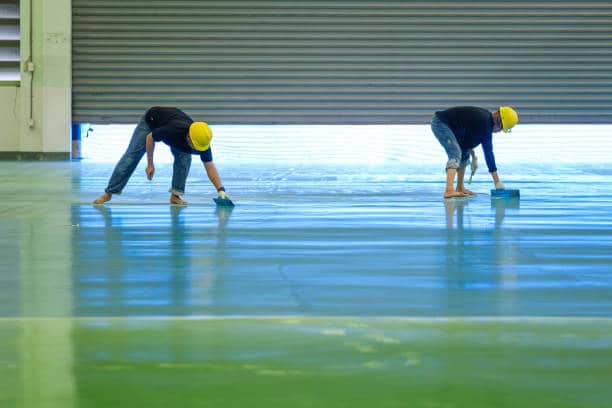
In simple terms, intumescent coatings are a form of passive fire protection (PFP). When exposed to high temperatures—typically above 200°C—they chemically react, swelling 50–100 times their original thickness to form a carbonaceous char layer. This char insulates steel, concrete, or timber beneath it from extreme heat.
Each coating is a complex blend of:
-
Binders, which hold the formula together and adhere it to the substrate.
-
Acid sources, like ammonium polyphosphate, that promote charring.
-
Carbon sources, such as pentaerythritol, that form the foam structure.
-
Blowing agents, like melamine, which cause the expansion reaction.
When fire strikes, this system creates a protective barrier that delays structural collapse—often for the duration specified in the building’s fire design (e.g., 60 or 120 minutes).
Thin-Film vs. Thick-Film Intumescent Coatings
| Property | Thin-Film (Architectural) | Thick-Film (Industrial) |
|---|---|---|
| Application | Spray, brush, roller | Spray (plural component) |
| Film Build | 0.3–2 mm DFT | 2–10 mm DFT |
| Fire Rating | 30–120 min | Up to 240 min |
| Substrate | Structural steel, interiors | Offshore, petrochemical steel |
| Topcoat | Decorative polyurethane/acrylic | Epoxy or polysiloxane |
Thin-film systems dominate commercial and architectural steelwork, while thick-film epoxies are favored for offshore, refineries, and high-exposure zones.
Fire Ratings Depend on Coating Thickness and Product Type
Every intumescent coating system is designed to meet specific fire-resistance ratings (FRR)—commonly 30, 60, 90, or 120 minutes. The thicker the required rating, the thicker the dry film build (DFT) must be.
Product-specific examples include:
-
Nullifire SC902 (60–120 min, fast-curing hybrid)
-
Sherwin-Williams Firetex FX6002 (thin-film for steelwork)
-
Jotun SteelMaster 1200H (120 min for high-heat resistance)
Each steel section’s section factor (Hp/A) determines how much coating is needed. Beams with greater surface area relative to volume heat up faster, requiring thicker applications.
Select Coatings uses digital film thickness gauges to verify proper DFT per manufacturer specs, ensuring your system performs as designed.
Surface Preparation Makes or Breaks Performance
Surface prep is the foundation of every successful coating job. Even the most advanced intumescent coating will fail if applied over rust, mill scale, or contamination.
For structural steel, SSPC-SP10 Near-White Blast Cleaning is typically required to achieve proper adhesion. The primer used beneath the intumescent layer must also be manufacturer-approved—common types include zinc phosphate, epoxy, or universal primers.
A poor primer match can cause delamination, leading to catastrophic coating failure during a fire.
At Select Coatings, industrial-grade sprayers, adhesion testing, and full environmental monitoring ensure the substrate is ready before the first pass of coating begins.
Environmental Conditions Affect Application and Curing
Intumescent coatings are highly sensitive to environmental conditions. Ideal parameters include:
-
Temperature between 50°F and 95°F
-
Relative humidity below 80%
-
Clean, dust-free, and well-ventilated environment
High humidity or surface moisture can lead to foaming, sagging, or incomplete curing—all of which reduce fire performance.
For outdoor or semi-exposed jobs, protective measures like temporary enclosures or controlled environments are essential.
👉 You might also be interested in reading about moisture mitigation, since excess surface moisture can compromise adhesion and char formation in fire-rated coatings.
Topcoats Are Not Just for Looks — They Protect the Fireproof Layer
Many assume the intumescent layer itself provides full protection. However, without a durable topcoat, it remains vulnerable to UV exposure, moisture, and impact damage.
Topcoats serve two vital purposes:
-
Shielding the reactive layer from environmental degradation.
-
Maintaining aesthetic consistency where the coating is visible (e.g., exposed steel beams).
Common topcoat systems include:
-
Polyurethane – High UV and gloss retention for exterior exposure.
-
Acrylic – Suitable for low-exposure interiors.
-
Polysiloxane – Premium durability in industrial or marine environments.
Topcoat breakdown allows moisture ingress, leading to blistering and rust—eventually compromising fire performance.
That’s why Select Coatings includes topcoating as part of its certified application process, ensuring long-term durability for projects throughout Lee’s Summit, MO.
Cost Isn’t Just About Paint — It’s About Compliance and Longevity
Painting cost conversations can be misleading if the focus is only on gallons of paint or labor hours. For intumescent systems, painting cost includes fire testing compliance, environmental setup, specialized equipment, and inspection.
Let’s break it down:
| Factor | Low-Complexity Interior Steel | High-Complexity Exterior Steel |
|---|---|---|
| Fire Rating | 60 min | 120 min |
| Coating Type | Thin-film acrylic | Epoxy intumescent |
| Avg. Material Cost | $8–$12/sq.m | $20–$35/sq.m |
| Labor & Equipment | $10–$18/sq.m | $25–$45/sq.m |
| Total Cost | $18–$30/sq.m | $45–$80/sq.m |
When calculating painting cost, consider the lifecycle value, not just the upfront expense.
High-performance coatings reduce future maintenance and repaint cycles—saving thousands over a 20-year lifespan.
Select Coatings provides itemized quotes detailing material selection, prep, and inspection phases, so builders can compare bids accurately and avoid hidden costs.
Certification and Testing Are Non-Negotiable
Compliance is the backbone of any fireproofing specification. Intumescent coatings must be tested and certified under standards such as ASTM E119, UL 263, or BS 476.
Each system has its own approved assembly—meaning the coating, primer, topcoat, and substrate combination is tested as one unit. Substituting products can invalidate the entire rating.
Select Coatings applies only manufacturer-certified coating systems, providing DFT reports, inspection documentation, and batch traceability for code compliance.
Maintenance and Inspection Protect Your Investment
Once applied, intumescent coatings must be maintained. Over time, UV exposure, cleaning, or accidental impact can degrade the coating system.
A typical maintenance plan includes:
-
Annual visual inspection for cracks, rust, or delamination.
-
Topcoat renewal every 5–10 years (depending on exposure).
-
Touch-up repair using compatible materials like Nullifire SC802 Repair or Jotun SteelMaster kits.
Neglecting maintenance reduces the system’s ability to char and insulate properly in a fire.
Select Coatings offers ongoing inspection and maintenance painting programs to extend coating lifespan and maintain warranties.
Common Questions About Intumescent Coatings
Q1: How long do intumescent coatings last?
A: Between 10 and 25 years, depending on exposure, maintenance, and topcoat durability.
Q2: Can I use any primer or topcoat?
A: No. Always use manufacturer-approved primers and topcoats to maintain certification.
Q3: How are these different from cementitious fireproofing?
A: Cementitious coatings are bulkier, heavier, and often used in industrial plants, while intumescents offer smooth, aesthetic finishes suitable for commercial buildings.
Q4: Can any painter apply intumescent coatings?
A: No. Application requires certified technicians familiar with DFT control, environmental testing, and safety standards.
Why Smart Builders Partner with Certified Applicators
At its core, intumescent coating technology combines chemistry, engineering, and craftsmanship. It protects lives, preserves property, and ensures compliance with evolving safety codes.
Misapplication or poor specification can result in failed inspections, costly rework, or worse—structural collapse during fire. That’s why experienced, certified applicators are not optional; they’re essential.
Select Coatings delivers complete passive fire protection solutions—from surface preparation to certified application and post-installation inspection.
When you need fire-rated protection done right, trust the experts who understand every layer of your coating system.
Request a consultation today and discover why Select Coatings is the preferred partner for fireproofing and intumescent coating projects across Lee’s Summit, MO.
