
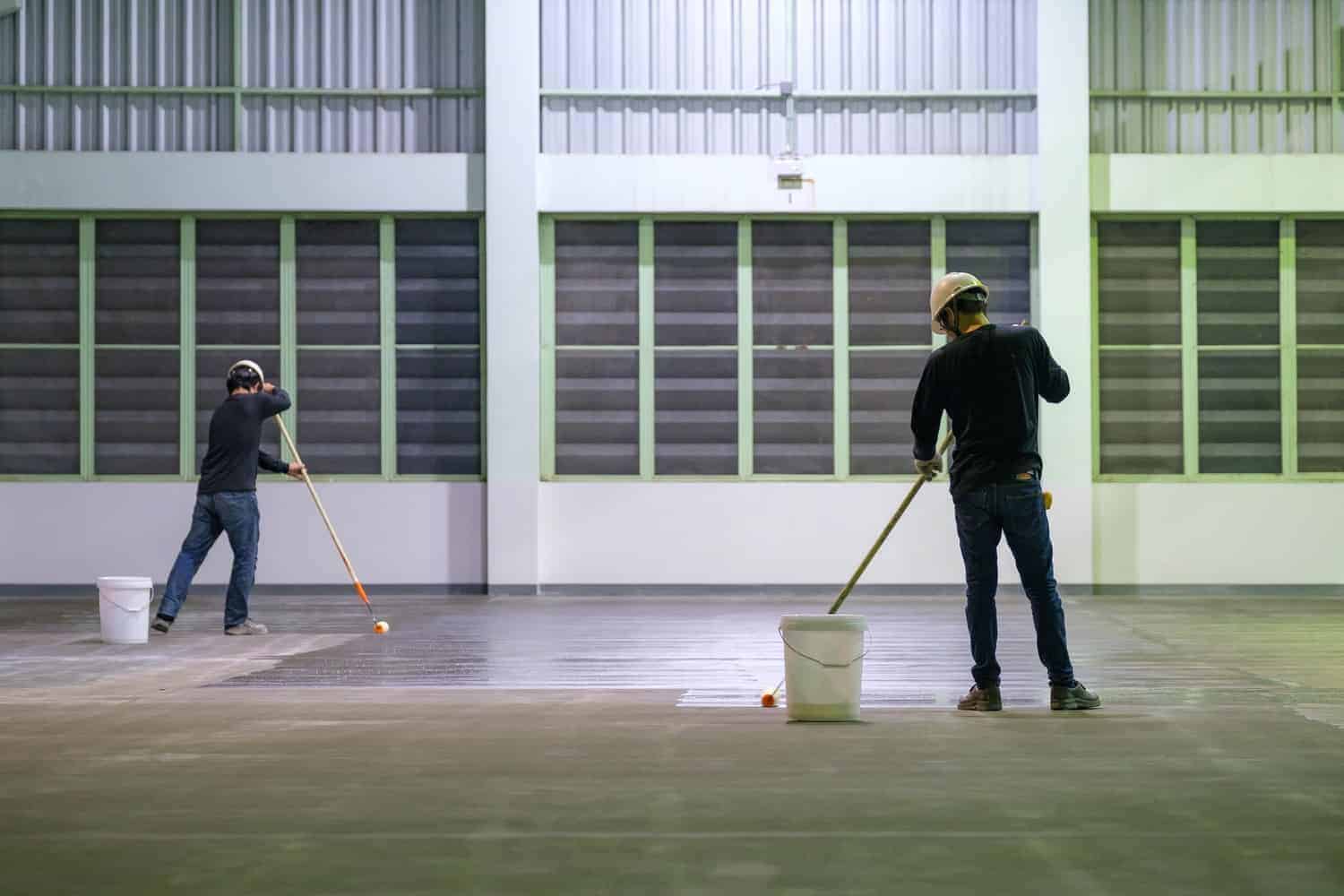
I get asked how long before you can walk on epoxy floor almost every day. It’s usually someone standing at their garage or basement door in socks, afraid to take one more step. It’s a fair worry. You just paid good money for this floor. One wrong step can leave a mark that stays there for years. If you searched for “how long does epoxy floor take to dry,” you probably found 10 different answers. Some say a few hours. Some say almost a week. The real number depends on which coating is on your floor and how it was installed, and I want to walk you through it so you’re not guessing.
Why “Epoxy” Doesn’t Always Mean the Same Thing
Here’s something most articles skip. Not every coating labeled “epoxy” behaves the same way once it’s on your floor. Old school two-part epoxy hardens through a slow chemical reaction. That’s why it needs more patience. Polyurea and polyaspartic coatings, the systems we install at Select Coatings, harden much faster. That’s not a sales pitch. It’s just chemistry. A slower coating needs more hours to harden all the way through, even when the top looks dry.
This is the part that trips up most homeowners. A floor can look and feel dry within a few hours. But the material underneath may still be soft enough to dent under your heel. That gap between looking dry and being fully cured is where most cure time mistakes happen.
How Long Does Epoxy Floor Take to Dry, Stage by Stage
Every coating cures in stages, not all at once. Each stage clears your floor for a different level of activity, from walking in socks to parking a car. Here’s a simple breakdown based on standard installer guidance. Your own installer should always confirm the exact numbers for your specific product and room conditions.
| Stage | Standard Epoxy | Polyurea / Polyaspartic |
|---|---|---|
| Light foot traffic (socks or bare feet) | 12 to 24 hours | 2 to 4 hours |
| Normal foot traffic and furniture | 48 to 72 hours | 24 to 36 hours |
| Vehicles, appliances, and heavy equipment | 5 to 7 days | 24 hours |
Standard epoxy timelines call for at least 12 to 24 hours before light walking, 48 to 72 hours before normal use, and a full 5 to 7 days before vehicles or chemical exposure. That last stage catches people off guard the most. A floor can feel solid for days before it’s ready to support a loaded moving box or a car tire. Rushing that final stage is the most common way a brand-new floor gets damaged.
What Happens If You Walk On It Too Soon
This part matters more than the numbers ever will. The damage from stepping on a coating too early is almost always permanent, and it usually shows up in one of a few predictable ways.
None of that comes out with a mop or a scrub brush. Once the coating sets with a flaw, that flaw becomes part of the floor. That’s why I tell every homeowner the same thing on install day. Patience during the first day or two protects the next 15 to 20 years of that floor.
Why Our Polyurea System Cuts That Wait to a Day
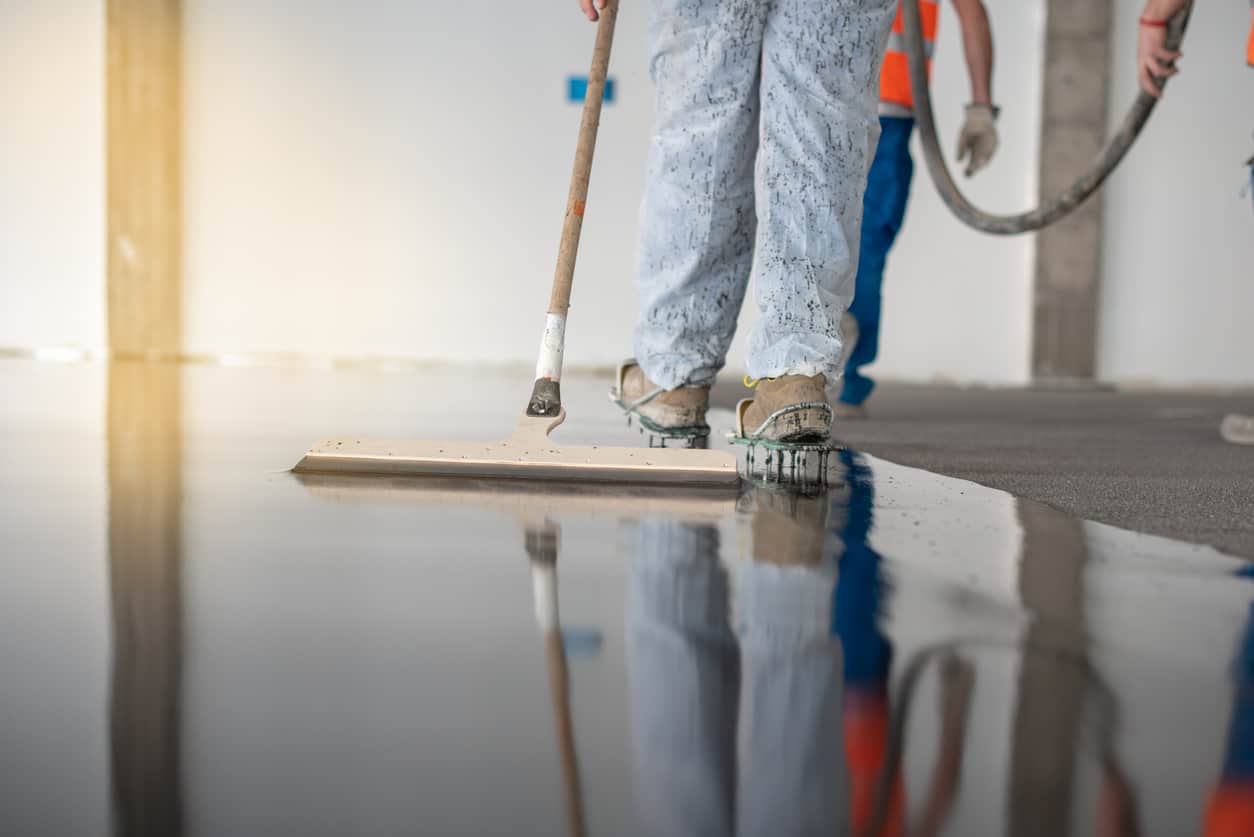
I’ll be straight with you here instead of just selling you on speed. At Select Coatings, we install a polyurea base coat topped with a polyaspartic clear coat. Our interior floor coating process is built to get your room back in daily use within 24 to 36 hours, not the better part of a week. That difference means fewer days when your kitchen, basement, or laundry room is off-limits to your own family.
A fast-curing coating still needs to be installed correctly, or none of that speed matters. Temperature, humidity, and surface prep all shape the outcome, no matter how good the product is. Warmer rooms around 77 degrees generally allow foot traffic sooner, while cooler temperatures can push that timeline back a day or more. That’s one more reason a trained crew matters as much as the coating itself, especially in a Kansas City basement where temperature swings between seasons.
A Few Things That Slow Cure Time Down
A handful of conditions can stretch any coating’s timeline, no matter what the label promises. None of these factors is something you can control once the crew has already left, which is exactly why they need to be accounted for on install day, not after.
| Factor | What It Does |
|---|---|
| Cold temperatures | Slow the chemical reaction and stretch every stage |
| High humidity | Can trap moisture at the surface and delay hardening |
| Thick or multiple coats | Each added layer needs its own cure window |
| Poor airflow | Slows the whole curing process down |
Moisture is a bigger factor than most people realize, and it starts before the coating even goes down. Standard surface prep guidance calls for keeping the room at normal temperature and humidity for at least 48 hours before testing the concrete for moisture, since an unprepared slab can undermine the whole job. Coatings inspectors see the same problem play out later.
Extra moisture trapped under a coating can eventually cause blistering, peeling, or a cloudy look. Good prep work matters just as much as the coating you pick, since even the fastest-curing product will fail on a slab that wasn’t ready for it. For the technical side, Sika’s surface prep resource and KTA-Tator’s moisture testing overview both cover the standards trained crews use before any coating goes down.
