
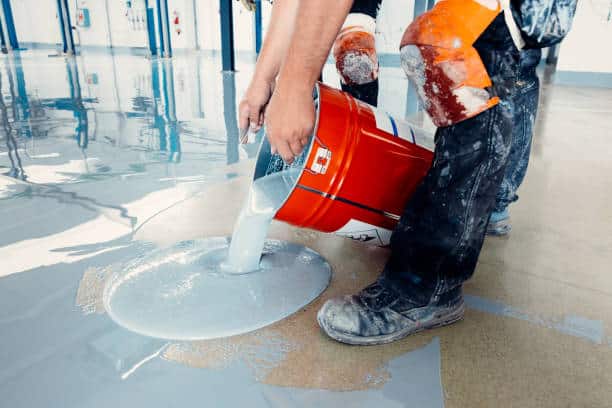
You manage a portfolio of commercial properties across multiple cities, and every year the same problem surfaces: buildings that were painted just three years ago already show peeling, fading, and moisture damage. The contractors who did the work are nowhere to be found, and now you’re facing emergency repairs that blow your maintenance budget. Understanding coating durability for commercial buildings has become more than an aesthetic concern—it’s a financial survival issue.
The coating mistakes that reduce building lifespan aren’t always obvious during application. They reveal themselves months or years later through premature failures that cost property management companies millions annually in accelerated repainting cycles, structural repairs, and lost property value. The worst part is that most of these failures are completely preventable with proper products, preparation, and application protocols.
Key Takeaways
- Surface preparation quality determines 80% of coating system success
- Moisture content above 15% guarantees coating failure within 18 months
- Wrong primer selection voids warranties and causes adhesion failures
- Environmental conditions require specific coating formulations for longevity
- Film thickness below specifications reduces protection by 50%
- Premium coatings cost 20% more but last 200% longer than cheap alternatives
- Poor application practices waste materials and create warranty-voiding defects
Why Protective Coatings Matter for Building Longevity
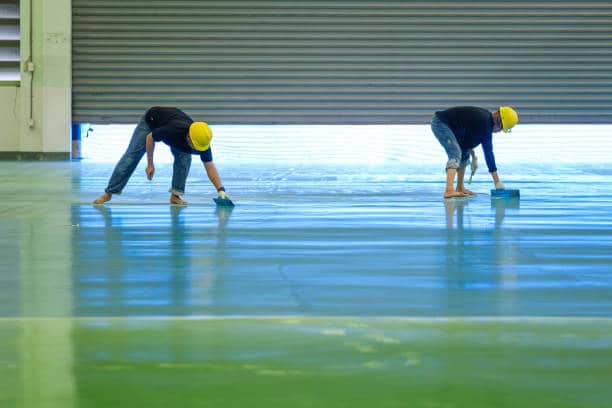
Protective coatings aren’t decorative finishes—they’re engineered barrier systems that defend building envelopes against UV radiation, moisture infiltration, temperature cycling, chemical exposure, and biological growth. When these systems fail, the consequences extend far beyond appearance to include structural degradation that multiplies repair costs exponentially.
What Coatings Protect Against:
- UV radiation that degrades substrates and sealants
- Moisture penetration causing rot, corrosion, and mold
- Freeze-thaw cycling that cracks and spalls concrete
- Salt air corrosion in coastal environments
- Industrial pollutants and acid rain
- Biological growth (algae, mildew, moss)
Coating Mistake #1: Skipping Proper Surface Preparation
The most damaging of all coating mistakes that reduce building lifespan is inadequate surface preparation. No coating—regardless of price or performance specifications—can bond to contaminated or unsound substrates.
What Proper Preparation Requires:
- Complete removal of dirt, chalk, mildew, and efflorescence
- Elimination of all loose or failing previous coatings
- Repair of substrate damage before coating application
- Surface profile creation for mechanical adhesion
- Verification of dryness and cleanliness before coating
Preparation Methods by Substrate:
- Concrete/Masonry: Pressure washing (3000+ PSI), acid etching, mechanical abrasion
- Metal: Abrasive blasting, power tool cleaning, chemical rust removal
- Wood: Power washing, hand scraping, sanding, wood restoration
- Previously Painted: Scraping, sanding, chemical cleaning, spot priming
Why Preparation Gets Skipped: Surface preparation represents 60-70% of labor costs but shows no visible progress. Budget-focused contractors cut corners here to increase profit margins, knowing failures won’t appear until after warranty periods expire.
Coating Mistake #2: Applying Coatings to Damp or Wet Surfaces
Moisture-related coating mistakes that reduce building lifespan rank second only to preparation failures in frequency and severity. Coatings applied over damp substrates fail quickly through blistering, peeling, and adhesion loss.
The Moisture Problem: Water trapped under coating films prevents proper adhesion and creates pressure as it tries to escape through vapor transmission. This pressure literally pushes coatings off substrates, creating premature failures.
Industry Standards:
- Concrete: Below 12-15% moisture content
- Wood: Below 15-19% depending on species
- Metal: Complete dryness (0% moisture)
- Masonry: Below 15% moisture content
Detection Methods:
- Infrared Moisture Meters: Non-invasive surface scanning
- Pin-Type Meters: Direct substrate moisture reading
- Calcium Chloride Tests: Moisture vapor emission testing
- Plastic Sheet Tests: 24-hour adhesion testing
Drying Time Requirements: After pressure washing or rain exposure, substrates need adequate drying time before coating application. Concrete may require 3-7 days depending on porosity, temperature, and humidity. Wood typically needs 2-4 days in good drying conditions.
Weather Impact: Morning dew, high humidity (above 85%), and rain within 24 hours before application all contribute to moisture-related failures. Professional contractors monitor weather constantly and delay work when conditions aren’t ideal.
Cost of Moisture Failures: Moisture-related coating failures typically appear within 6-18 months and require complete removal and reapplication. For a 20,000 square foot commercial building, this represents $40,000-80,000 in additional unplanned costs.
Coating Mistake #3: Using Wrong Primer or Eliminating Primer Completely
Primer selection and application represent critical coating mistakes that reduce building lifespan when done incorrectly. Many property managers don’t understand that primers do much more than prepare surfaces for topcoats.
What Quality Primers Accomplish:
- Create uniform surface porosity for consistent absorption
- Block stains, tannins, and efflorescence from bleeding through
- Enhance topcoat adhesion through bonding technology
- Seal porous substrates to reduce coating consumption
- Provide corrosion protection on metal substrates
Substrate-Specific Primer Requirements:
Concrete and Masonry:
- Acrylic Bonding Primers: Sherwin-Williams ProMar 200 Zero VOC
- Epoxy Primers: For high-moisture or chemical exposure
- Elastomeric Primers: For surfaces with movement or cracking
Metal Substrates:
- Zinc-Rich Primers: Rust-Oleum 7769 for steel protection
- DTM (Direct-to-Metal) Primers: Sherwin-Williams Pro Industrial
- Epoxy Primers: For severe corrosion environments
Wood Substrates:
- Oil-Based Primers: Superior penetration and tannin blocking
- Acrylic Primers: Fast-dry with good adhesion
- Stain-Blocking Primers: Zinsser Cover Stain for problem areas
Common Primer Mistakes:
- Using interior primer for exterior applications
- Skipping primer to save time or money
- Wrong primer chemistry for substrate type
- Insufficient primer film thickness
- Not allowing proper primer cure time
Warranty Implications: Most commercial coating manufacturers void warranties if primers aren’t used or if incompatible primer-topcoat combinations are applied. This leaves property management companies without recourse for premature failures.
Coating Mistake #4: Selecting Wrong Coating Type for Environmental Conditions
Environmental mismatches represent sophisticated coating mistakes that reduce building lifespan through accelerated degradation in hostile conditions. Not all coatings perform equally across different climates and exposures.
Coating Chemistry Options:
Acrylic Coatings:
- Best for moderate climates and general protection
- Excellent color retention and flexibility
- Products: Sherwin-Williams Duration, Benjamin Moore Aura
- Lifespan: 8-12 years in appropriate conditions
Elastomeric Coatings:
- Superior for crack-bridging on stucco and masonry
- Excellent moisture resistance and flexibility
- Products: Sherwin-Williams Loxon XP, Benjamin Moore Elastomeric
- Lifespan: 10-15 years with proper application
Epoxy Coatings:
- Best for chemical resistance and concrete protection
- Limited UV stability (requires topcoat)
- Products: Sherwin-Williams Pro Industrial Epoxy
- Lifespan: 15-20 years in protected environments
Urethane Coatings:
- Excellent abrasion and chemical resistance
- Superior gloss retention and durability
- Products: PPG Pitt-Tech Plus, Sherwin-Williams Resintech
- Lifespan: 15-25 years depending on exposure
Coating Mistake #5: Ignoring Film Thickness and Coverage Specifications
Film thickness violations rank among the most technical coating mistakes that reduce building lifespan. Property managers rarely verify this specification, yet it directly determines protection effectiveness.
Film Thickness Fundamentals:
- WFT (Wet Film Thickness): Measurement during application
- DFT (Dry Film Thickness): Final cured coating thickness
- Manufacturer Specifications: Typically 1.5-2.5 mils DFT per coat
- Total System: Usually 4-8 mils DFT for complete protection
Problems from Insufficient Thickness:
- Reduced UV protection and faster degradation
- Poor hide allowing substrate show-through
- Inadequate moisture barrier protection
- Shortened service life by 40-60%
Problems from Excessive Thickness:
- Cracking and alligatoring as film cures
- Extended drying times between coats
- Sagging and runs on vertical surfaces
- Increased material waste and cost
Why Thickness Gets Compromised: Contractors dilute coatings or apply too thin to stretch materials and increase profit margins. A coating specified at 400 sq ft per gallon applied at 600 sq ft per gallon provides only 67% of intended protection.
Quality Control Methods:
- Wet Film Thickness Gauges: Real-time application monitoring
- Dry Film Thickness Gauges: Post-application verification
- Coverage Calculations: Material usage verification
- Visual Inspection: Hide and uniformity assessment
Coating Mistake #6: Choosing Budget Coatings Over Performance Systems
Budget-driven coating mistakes that reduce building lifespan create false economies that cost property management companies multiples of initial savings through accelerated replacement cycles.
Quality Differences in Coating Formulations:
Budget/Contractor Grade:
- Lower pigment concentrations (fade quickly)
- Inferior resin systems (poor UV resistance)
- Minimal additives (limited mildew protection)
- Thin viscosity (poor hide and coverage)
- Cost: $25-35 per gallon
- Lifespan: 3-5 years
Premium Commercial Grade:
- High pigment loading (excellent color retention)
- Advanced acrylic resins (superior UV stability)
- Mildewcides and preservatives (biological resistance)
- Proper viscosity (good hide and application)
- Cost: $55-75 per gallon
- Lifespan: 10-12 years
Specialized Systems:
- Elastomeric or epoxy formulations
- Enhanced flexibility or chemical resistance
- Warranty-backed performance guarantees
- Cost: $75-125 per gallon
- Lifespan: 12-20 years
Product Recommendations by Application:
- Multi-Family Housing: Sherwin-Williams Duration or Benjamin Moore Aura
- Retail Centers: Elastomeric systems for stucco/masonry
- Office Buildings: Premium acrylic with 15-year performance
- Industrial Facilities: Epoxy or urethane systems for chemical resistance
Sometimes, safety considerations outweigh all other factors. See this example of a coating job we refused for safety reasons—illustrating the importance of proper assessment before any coating work begins.
Coating Mistake #7: Poor Application Practices and Weather Violations
Application defects represent the final category of coating mistakes that reduce building lifespan. Even premium coatings fail when applied incorrectly or in poor conditions.
Critical Application Parameters:
- Temperature Range: 50-90°F for most coatings
- Humidity Limits: Below 85% relative humidity
- Wind Conditions: Under 15 mph for spray application
- Substrate Temperature: Within manufacturer specifications
- Rain Forecast: No precipitation within 24 hours
Common Application Errors:
Spray Application Problems:
- High wind causing overspray waste and thin coverage
- Wrong tip size creating improper atomization
- Insufficient overlap leaving streaks and misses
- Failure to back-roll spray applications
Brush and Roll Issues:
- Wrong tool selection for surface texture
- Insufficient working of coating into substrate
- Visible brush marks and roller stipple
- Inconsistent film thickness
Environmental Violations:
- Flash Drying: Applying in direct sunlight or high heat
- Slow Cure: Coating in cold or humid conditions
- Moisture Exposure: Rain on uncured coatings
- Temperature Shock: Freezing before full cure
Professional Application Standards:
- Equipment calibration and maintenance
- Weather monitoring and work scheduling
- Surface temperature measurement
- Proper technique training and supervision
- Quality control inspections throughout application
Warranty Protection: Most coating manufacturers require application within specified conditions and using approved methods. Violations void warranties regardless of product quality.
For property management companies, requiring contractors to document application conditions, material usage, and quality control measures protects against warranty disputes and ensures accountability.
Common Questions About Commercial Coating Systems
What coating lasts longest on commercial buildings? Elastomeric and urethane systems typically provide 12-20 year service life on commercial buildings when properly applied. Lifespan depends on substrate type, exposure, and maintenance quality.
How does poor surface preparation affect building lifespan? Inadequate preparation causes coating failure within 1-3 years, exposing substrates to weathering that can reduce building life by 10-15 years through accelerated degradation.
Is elastomeric paint worth the investment for stucco exteriors? Yes, elastomeric coatings provide superior crack-bridging and moisture protection for stucco, typically lasting 50% longer than standard acrylics while preventing water infiltration.
Can cheap paints really shorten building lifespan? Absolutely. Budget coatings fail 2-3x faster than premium systems, leaving substrates exposed to weathering that causes structural damage requiring expensive repairs.
What’s the difference between commercial-grade and contractor-grade paints? Commercial-grade formulations contain higher quality resins, better pigments, and performance additives that contractor-grade products lack, resulting in 2-3x longer service life.
How do I verify my building’s last paint job was done correctly? Request documentation showing surface preparation procedures, material specifications, application conditions, and quality control measurements. Absence of documentation indicates potential problems.
Protect Your Building Portfolio with Professional Coating Systems
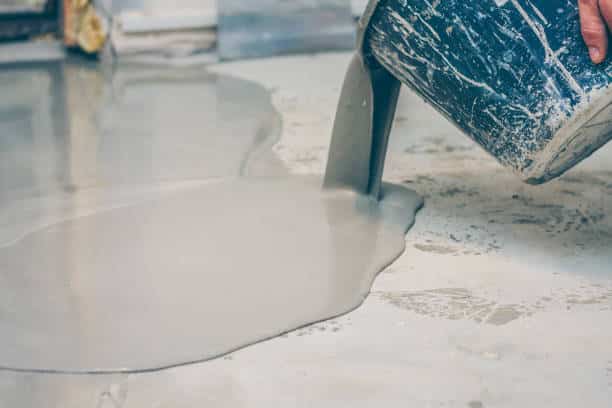
The coating mistakes that reduce building lifespan aren’t accidents—they’re the predictable results of budget-driven decisions that sacrifice long-term asset protection for short-term cost savings. Property management companies that understand these failures can implement specifications and contractor selection processes that deliver true value.
Our experienced team serves Olathe property management companies with comprehensive commercial coating services designed for long-term asset protection. We understand the specific challenges Kansas weather creates and design systems accordingly.
Don’t let coating mistakes that reduce building lifespan destroy your asset values. Our commercial coating services include comprehensive surface preparation, premium coating systems, professional application, and ongoing maintenance programs that keep your properties protected and attractive.
